

How creative technology influences customer experience.
A few years ago, a boutique hotel in Nairobi invested heavily in beautiful marketing visuals. The photography was stunning. The branding looked premium. Their social pages were polished. But bookings remained low. The problem was not visibility. It was an experience. Potential customers wanted to explore the rooms before committing. They wanted to understand the atmosphere, view the surroundings, and feel confident before making a reservation.
After introducing a simple 360-degree virtual tour and interactive booking experience, engagement increased significantly. Visitors spent more time on the website, inquiries improved, and direct bookings started growing. The hotel did not just improve its marketing. It improved the customer experience.
That is the real power of creative technology.
Creative Technology Is No Longer a “Future Trend”
Across Nairobi and beyond, businesses are realizing that people no longer connect with static content the way they used to. Consumers scroll fast. Attention spans are shorter. And Competition is everywhere.
A beautiful graphic alone is no longer enough. Today, people expect digital experiences that feel:
- Interactive
- Personalized
- Fast
- Human
- Useful
This shift is changing both the business world and the future of creative careers. Creative technology sits at the center of that transformation.

What is Creative Technology?
Creative technology is the combination of creativity, design, storytelling, and digital technology to build interactive experiences that solve real problems. It blends fields like:
- Design
- User experience (UX)
- Software development
- Motion graphics
- Artificial Intelligence (AI)
- Data visualization
- Interactive media
In simple terms, Traditional design shows people something. While the Creative technology allows people to experience something. That experience could be:
- An immersive website
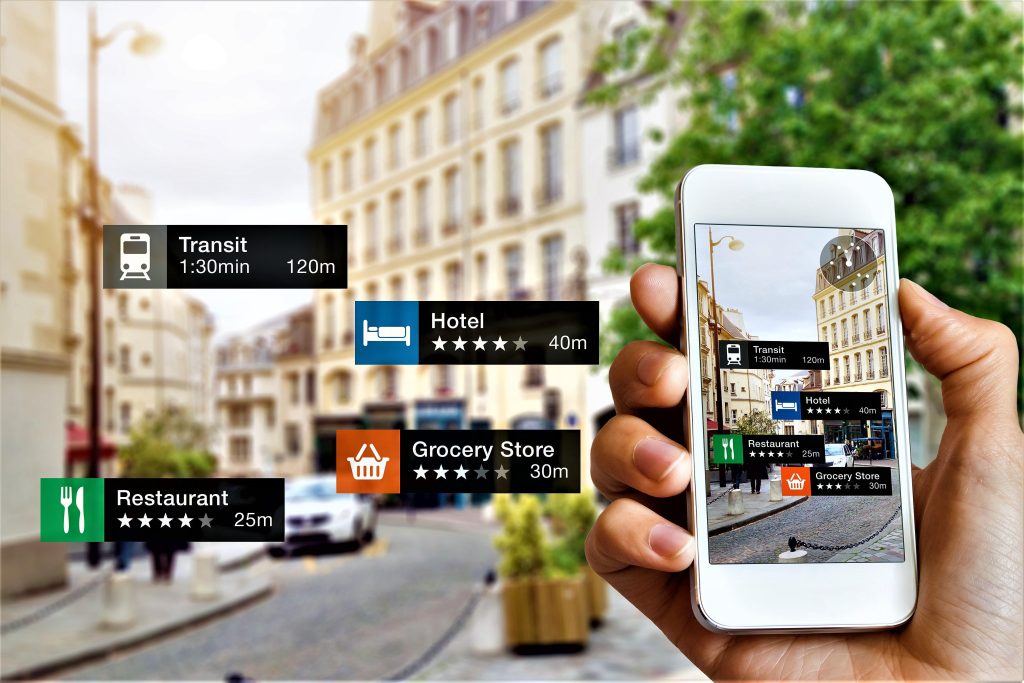
- An augmented reality product preview
- An AI-powered customer interaction
- A dynamic data dashboard
- A virtual tour
- An interactive brand campaign
The focus is no longer just aesthetics. The focus is engagement, usability, and emotional connection.
Why Businesses Are Investing in Creative Technology
According to a report by Adobe, businesses that prioritize customer experience are significantly more likely to build stronger customer loyalty and improve long-term revenue growth.
Research from PwC also found that customers are willing to pay more for better digital experiences, even when cheaper alternatives exist. That says a lot about modern consumer behavior. People remember how a digital experience made them feel and not just how it looked.
A Small Story Every Creative Can Relate To
Kevin, a self-taught designer in Nairobi, started his career creating social media posters for small businesses. At first, clients only wanted graphics. But over time, he noticed something interesting. Businesses kept asking questions like:
- “Why are people leaving the website quickly?”
- “How can we make customers interact more?”
- “Can this campaign feel more engaging?”
The problems were no longer purely visual. They were experiential. So Kevin started learning:
- Basic UX design
- Interactive web tools
- Motion graphics
- AI-assisted workflows
Within two years, he transitioned from being “just a designer” to becoming a creative technologist helping brands improve customer experiences. His value increased because he was solving business problems, not just creating visuals. That shift is happening globally. And it is creating entirely new career opportunities.
The Rise of Experience-Driven Digital Marketing
Modern marketing is moving away from interruption and moving toward interaction. People do not want to be constantly sold to. They want experiences that feel useful, entertaining, or meaningful. This explains the rise of:
- Interactive websites
- AI chat experiences
- Personalized shopping journeys
- Immersive storytelling
- Augmented reality filters
- Motion-based interfaces
In many ways, creative technology is becoming the new language of digital communication.
The Technologies Driving Creative Innovation in 2026: Generative AI
AI has evolved from being a buzzword into a practical creative assistant. Today, creators use AI to:
- Speed up workflows
- Generate content variations
- Analyze customer behavior
- Personalize experiences
- Automate repetitive production tasks
But AI is not replacing creativity. It is removing repetitive work so creatives can focus on strategy and storytelling.
As Fei-Fei Li once noted, “Artificial intelligence is not a substitute for human intelligence; it is a tool to amplify human creativity.” That perspective perfectly captures the future of creative work.
Immersive Media and Virtual Experiences
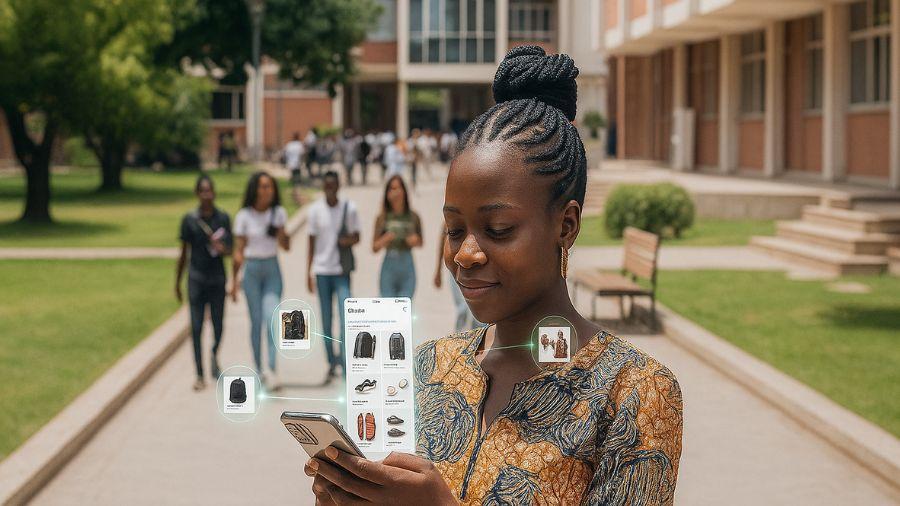
Immersive experiences are becoming more common across industries in Kenya. Real estate brands are now offering virtual property walkthroughs. Tour companies provide interactive destination previews. Retail businesses use AR to help customers visualize products before buying. These experiences reduce uncertainty and build trust. And trust is one of the most valuable currencies in digital business.
Creative Coding and Interactive Design
A growing number of creatives are learning code not to become software engineers, but to expand what they can create.
Technologies like JavaScript, Python, and WebGL allow creatives to build:
- Interactive websites
- Generative visuals
- Real-time animations
- Data-driven experiences
- Dynamic storytelling platforms
This is where art and code truly intersect.
Why Creative Technology Careers Are Growing Fast
One of the biggest shifts happening globally is the demand for hybrid talent. Companies no longer only want designers. They no longer only want developers. They increasingly want people who understand both creativity and technology. According to the World Economic Forum, creative thinking and technology literacy are among the most valuable future workplace skills. That makes creative technology one of the most future-ready career paths available today.

In-Demand Creative Technology Careers
- Creative Technologist
Combines creativity, strategy, and technical execution.
- UX/UI Experience Designer
Designs intuitive digital experiences and customer journeys.
- AI Experience Designer
Shapes how humans interact with AI systems.
- Motion and Immersive Media Designer
Creates interactive visual experiences using animation, AR, and VR.
- Creative Developer
Builds interactive products that combine design with programming.
- Digital Innovation Strategist
Helps businesses integrate emerging technologies into growth strategies.
Do You Need to Learn Coding?
Not necessarily because many creative technology tools today are low-code or no-code. However, understanding basic logic, interaction systems, and user behavior can dramatically improve your opportunities. You do not need to become a full-time programmer. But creators who understand technology are becoming more valuable every year.

The Human Side of Creative Technology
At its best, creative technology is not about flashy tools. It is about solving human problems.
- Helping customers feel confident
- Helping users navigate easily
- Helping brands communicate clearly
- Helping people feel connected to digital experiences.
Technology alone is not enough. The creativity, empathy, and strategic thinking behind it are what truly matter.
Building Digital Experiences That Actually Work
At DesignHub, the focus goes beyond visuals. The goal is to help brands create digital experiences that:
- Engage users
- Improve interaction
- Build trust
- Increase conversions
- Support long-term growth
Because in today’s digital world, success is no longer just about being seen. It is about being experienced.
Remember, Creative technology is not replacing creativity. It is expanding what creativity can do. For businesses, it creates better customer experiences. For creators, it opens entirely new career paths. For marketers, it offers more meaningful ways to connect with audiences. The future belongs to people who can combine:
- Creativity
- Technology
- Human understanding
- Strategic thinking
That intersection is where the next generation of digital innovation is happening. And for many creators in Kenya, the opportunity is only beginning.